WRF 2026 Annual Convening Report
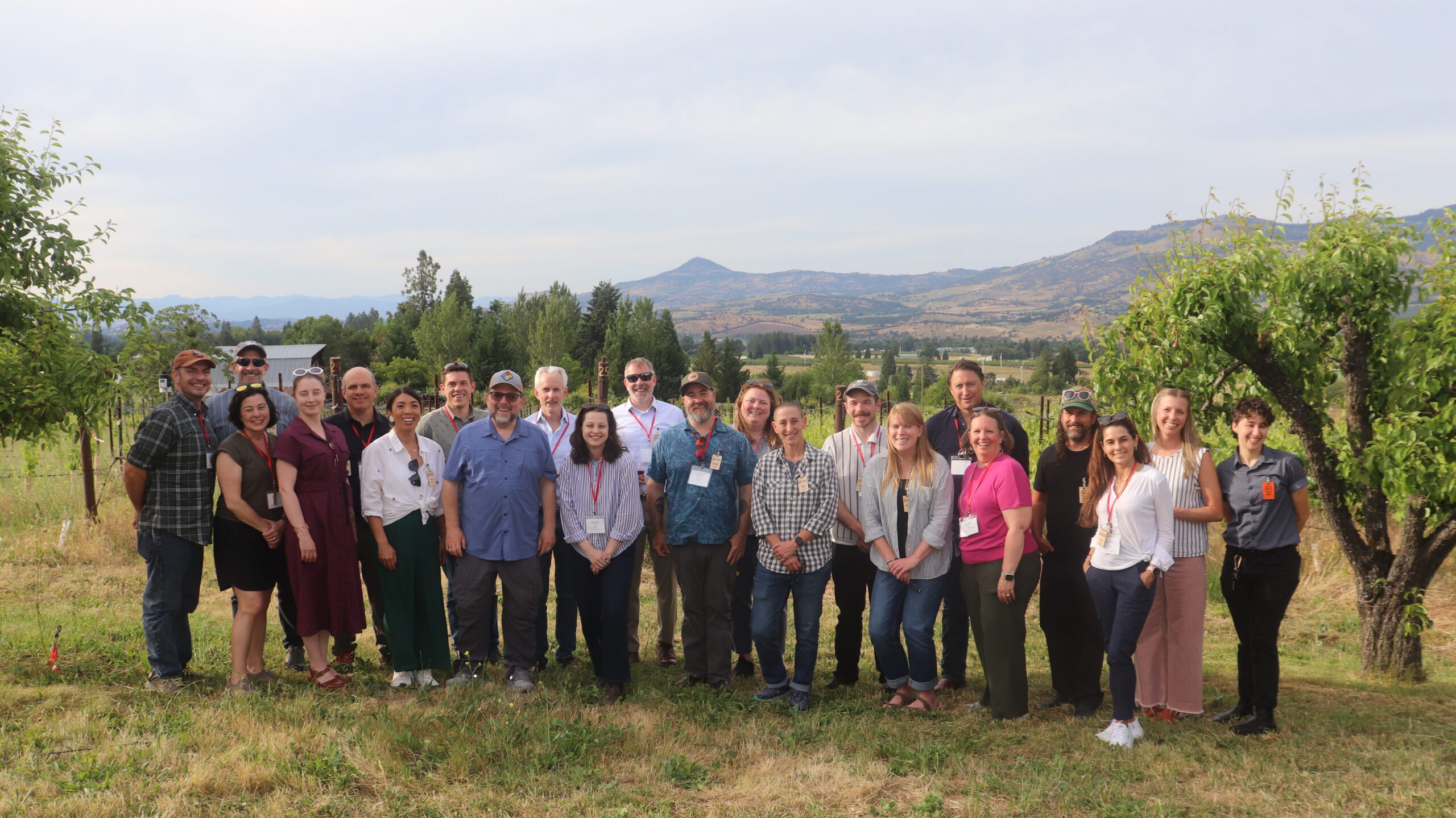
The drive from Medford to downtown Ashland, Oregon takes roughly 20 minutes, mostly via Interstate 5. Traveling south, travelers have a clear view of the path the 2020 Labor Day fires took as they ran northward from Ashland to Talent and Phoenix. Little evidence of the disaster is apparent to a visitor now, until you learn that all the new structures visible from the interstate are built on the footprint of those that were lost.
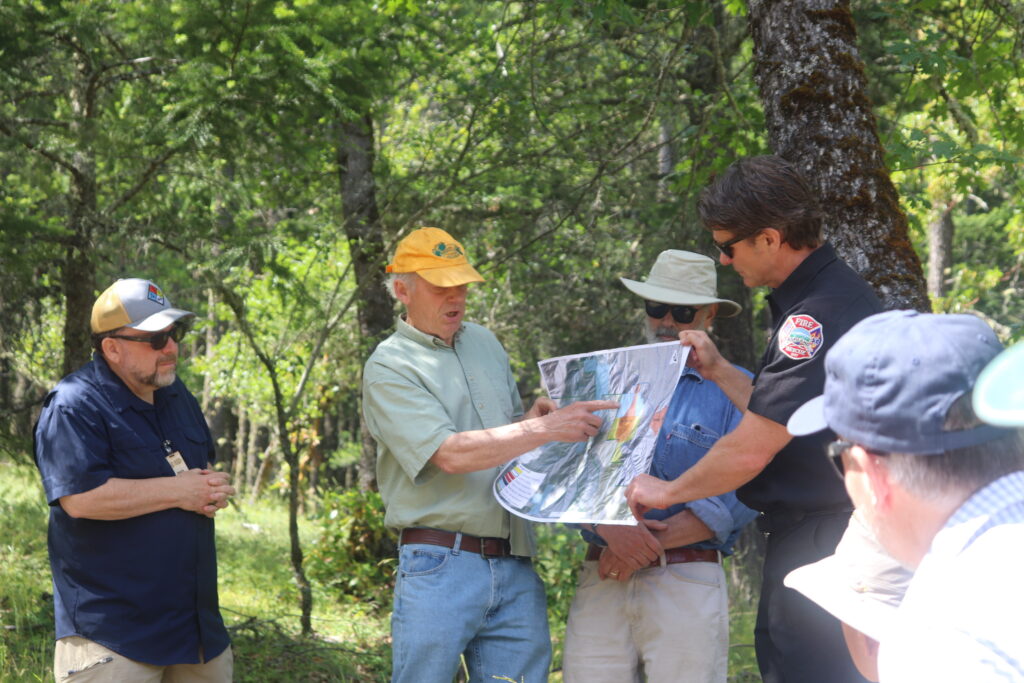
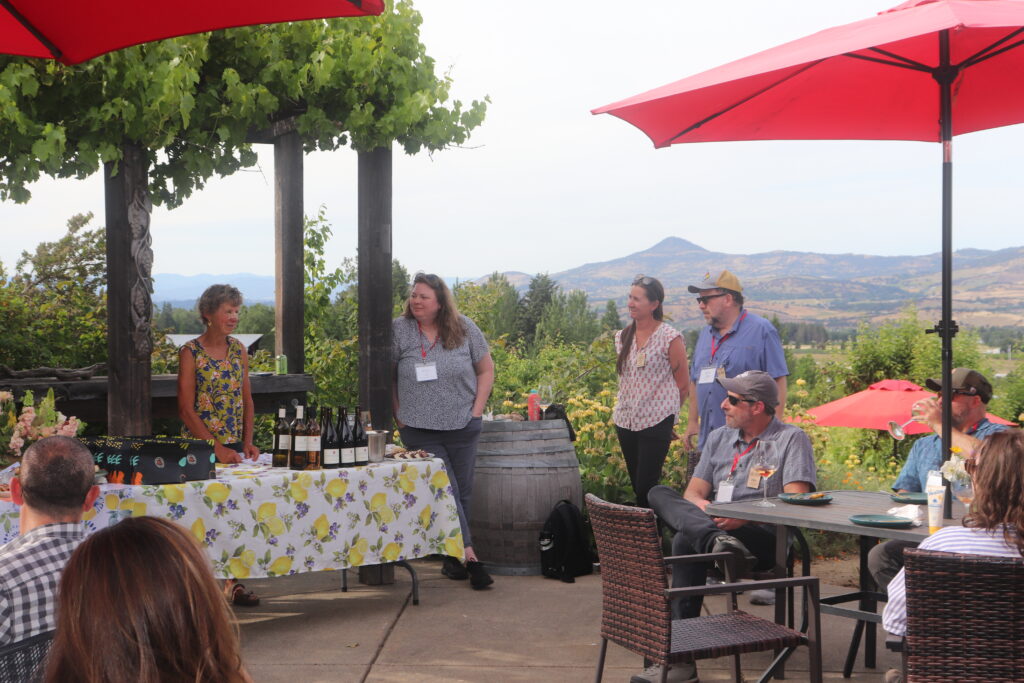
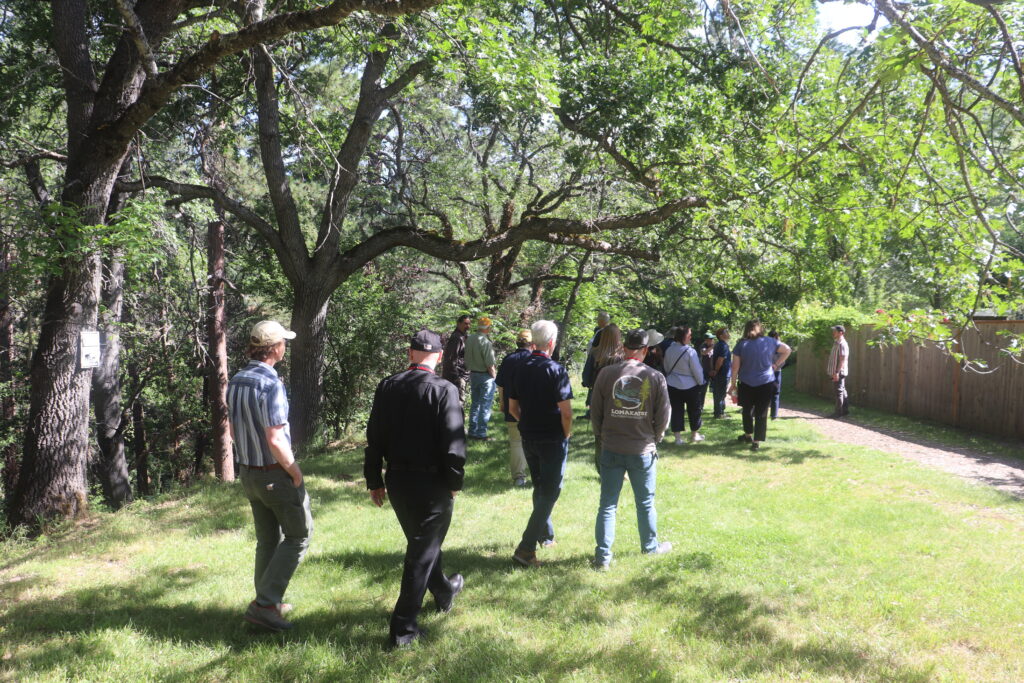
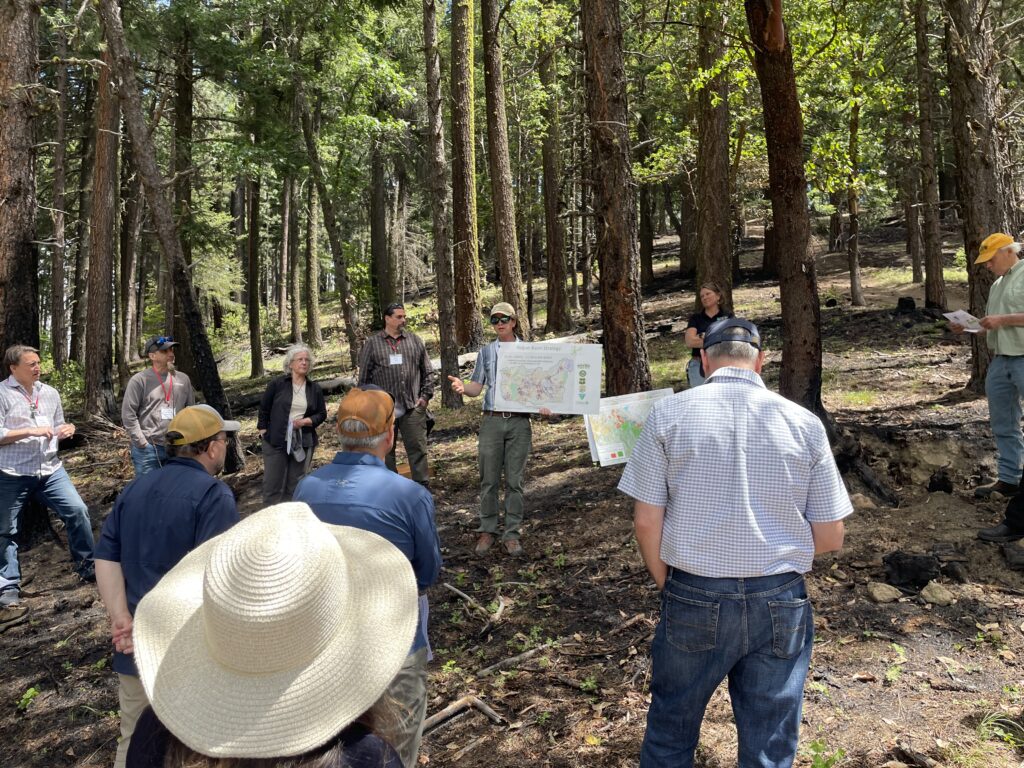
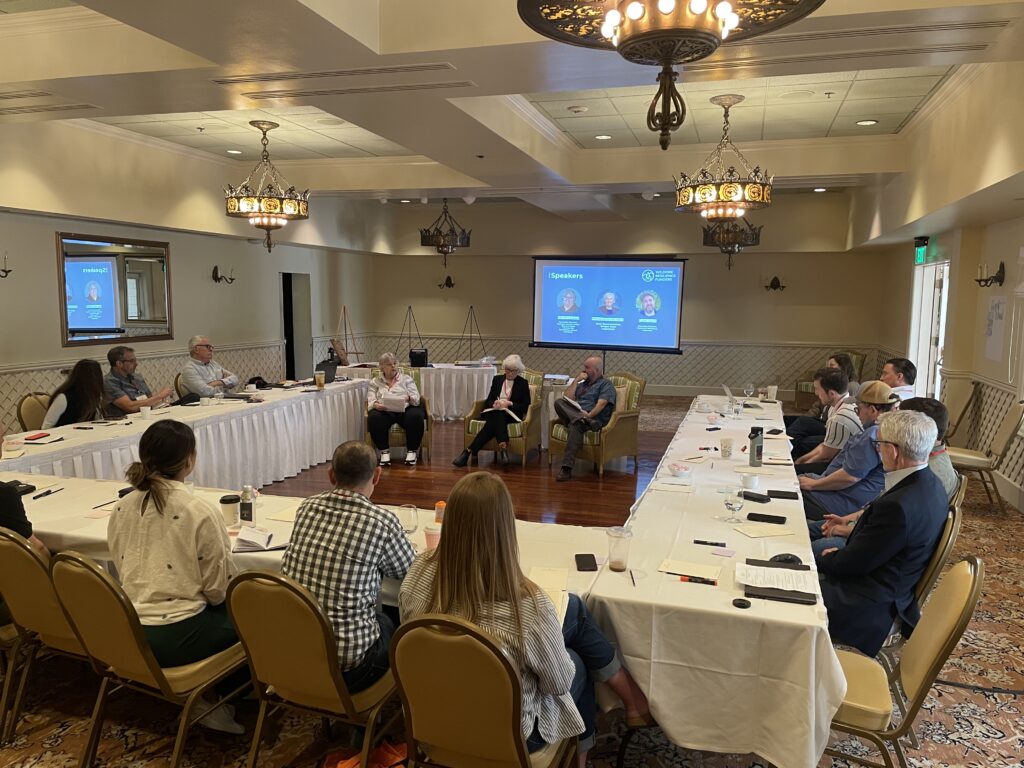
Over the course of a six-month planning effort, the Wildfire Resilience Funders intentionally built a narrative for our 2026 convening where the communities impacted by the Labor Day fires were front and center. Their stories of recovery and resilience became the basis for our meeting agenda, and the result was a powerful experience.
Ashland (and the broader Rogue Valley) was selected as our destination for the 2026 annual meeting largely because it offered a diverse look at how three neighboring communities were prioritizing risk and resilience in unique ways.
- In Talent we learned how community-centered recovery can look, prioritizing housing recovery and social cohesion
- In Phoenix we saw how economic recovery can become a driver of post-fire transformation
- In Ashland we experienced how devastation in neighboring towns can drive innovation in resilience that would prevent catastrophe in their own.
Read the full 2026 annual convening report to learn more about the Rogue Valley’s experience with fire, the incredible organizations leading recovery and resilience work, and takeaways for the field of wildfire philanthropy that emerged during our three days in Southern Oregon.